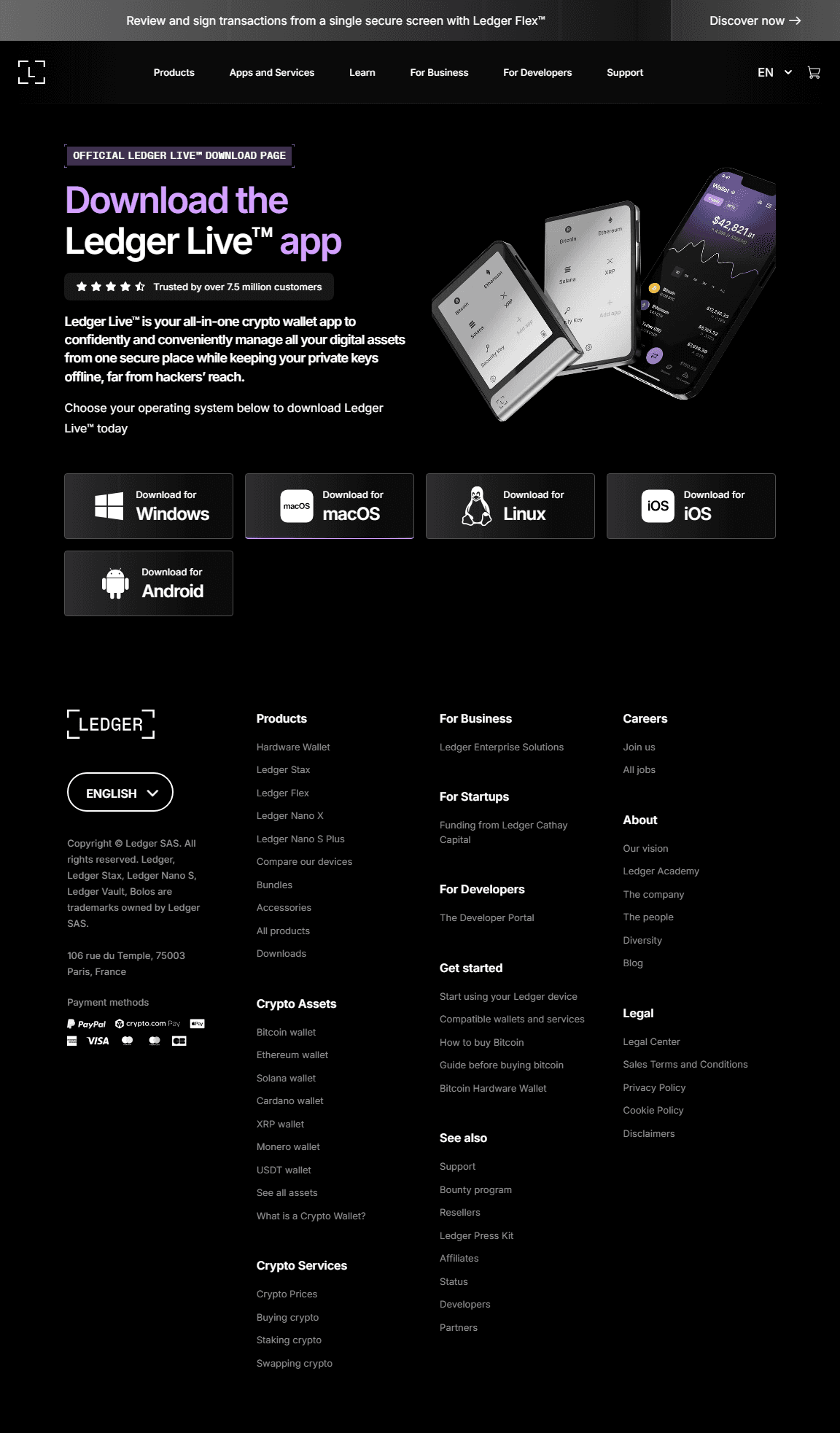
Ledger.com/Start: The Complete Beginner’s Guide to Setting Up Your Ledger Wallet
Setting up a Ledger hardware wallet is a major step toward taking control of your digital assets. The process associated with ledger.com/start gives users everything they need to configure their device properly and protect their cryptocurrency with industry-leading security standards. This guide recreates that onboarding journey in a clear, step-by-step format, designed for beginners and seasoned crypto users alike.
If you’ve just opened your Ledger box, or if you want a full understanding of the setup process before beginning, this detailed walkthrough will show you exactly how to go from unboxing to managing digital assets with confidence.
Understanding the Purpose of Ledger.com/Start
Ledger.com/start is essentially the home base for new Ledger users. It provides trusted instructions directly from the manufacturer, ensuring that you do not rely on random or potentially unsafe guidance. The platform walks you through device activation, software installation, wallet creation, and recovery phrase protection.
Crypto security begins the moment you initialize your wallet, and every action you take during setup influences your long-term protection. The instructions you get through the ledger.com/start experience are designed to eliminate guesswork, reduce risk, and help you understand the foundation of a secure crypto environment.
This guide mirrors that experience in a structured, detailed way so you know exactly what to expect.
Step 1: Opening the Box and Inspecting Your Device
Your Ledger hardware wallet should come carefully packaged. Inside, you typically find:
The Ledger device
A USB cable or charging cable (depending on the model)
Recovery phrase cards
Quick start guides
Additional documentation
Before turning the device on, examine everything. The package should look sealed and professional. Your Ledger should never arrive with a pre-written recovery phrase or a PIN already set. If anything seems suspicious, do not proceed.
Why this matters: hardware wallets create and store private keys internally. If someone tampered with the device before you received it, your funds could be at risk. A proper, untouched device ensures that you—and only you—generate the cryptographic keys that protect your assets.
Step 2: Getting Ledger Live Installed
Next, you will install Ledger Live, the official program used to interact with your device. Ledger Live allows you to:
Manage multiple cryptocurrency accounts
Install and delete blockchain apps
View your portfolio balance
Send and receive crypto
Perform firmware updates
Verify your device’s authenticity
Ledger Live is the digital command center for your Ledger wallet. However, it does not hold your private keys or store your assets. That responsibility remains solely with your hardware device.
Once installed, Ledger Live prepares you to begin the device initialization process.
Step 3: Powering On and Setting Up Your Ledger Device
Now you’re ready to initialize your device. This is a crucial moment in the ledger.com/start journey because it establishes your security foundations.
When you first turn on your Ledger, you’ll see prompts guiding you through the following core steps:
Choosing a PIN Code
Your PIN acts as a personal access key for the device. Every time you unlock your Ledger, you will need this PIN. Choose a PIN that:
Is not easily guessed
Is different from codes used on your phone or banking apps
You can remember without writing down in places others may find
If someone tries to enter your PIN repeatedly, the device will eventually erase itself to protect your assets.
Generating Your Recovery Phrase
Your Ledger will display a sequence of 24 words, one at a time. These words form your recovery phrase—the most important piece of information tied to your wallet.
The recovery phrase allows you to:
Recover your wallet if your device is lost or broken
Restore access on a brand-new Ledger
Always maintain ownership of your crypto, regardless of hardware loss
Write the words exactly as shown on the recovery sheets provided. Never take photos or screenshots of the phrase, and never type the words on your computer or phone. Digital copies are vulnerable to hacking, malware, and scams.
You will then be asked to confirm the words by reselecting certain ones. This ensures accuracy and prevents mistakes.
Step 4: Verifying Device Authenticity
Once your wallet is created, connect the device to Ledger Live again. Ledger Live includes a built-in verification tool that confirms your device is genuine. This step protects you from counterfeit devices, modified hardware, or corrupted firmware.
Authenticity checks are quick but extremely important. They ensure that your wallet has not been compromised and that you can safely begin managing your cryptocurrency.
Step 5: Installing Cryptocurrency Apps on Your Ledger
Each blockchain supported by your Ledger device requires a dedicated app. These apps allow the wallet to understand the rules and transaction structures of various cryptocurrencies.
Through the App Manager in Ledger Live, you can install apps such as:
Bitcoin
Ethereum
XRP
Solana
Polygon
Litecoin
And many others
These apps do not use much storage, but since the device has limited space, you may need to install and uninstall apps based on your needs. Removing an app does not remove your funds. Your crypto is stored on the blockchain; the hardware wallet simply accesses it securely.
Step 6: Adding Accounts in Ledger Live
With your apps installed, you can now add accounts. Each cryptocurrency requires its own account to track balances and store transaction histories.
To create an account:
Choose the cryptocurrency you want to add
Connect and unlock your Ledger
Open the relevant crypto app on the device
Allow Ledger Live to synchronize
After synchronization, your account appears within Ledger Live, ready for monitoring and transactions.
Step 7: Receiving Cryptocurrency for the First Time
Now that your account is created, you can receive crypto. This process involves several layers of verification to ensure your security.
In Ledger Live:
Open the relevant account
Select “Receive”
View the receiving address
Check that the address matches the one displayed on your Ledger device
This verification is essential. If malware hijacks your computer and tries to display a fraudulent address, the on-device screen protects you by showing the real one.
Once verified, you can share that address to receive cryptocurrency safely.
Step 8: Sending Crypto Securely
Sending crypto also involves coordinated security checks. When you initiate a transaction in Ledger Live, your Ledger device will show:
The amount
The destination address
The fees
Confirmation prompts
Only after you approve the transaction on the physical device will it be signed and sent to the network. Without your explicit confirmation, nothing can move from your wallet.
This structure protects you from malware or unauthorized transactions.
Important Security Principles for Ledger Owners
Using a Ledger device gives you strong protection, but your personal habits matter too. Keep these guidelines in mind:
Never share your recovery phrase
No real Ledger representative, website, or support agent will ever ask for your recovery phrase. Treat it like the key to your home—private, personal, and never shared.
Keep your recovery phrase offline
Do not take pictures. Do not store it on cloud services. Do not email it to yourself. Offline storage is the only safe option.
Always verify actions on your device screen
If the Ledger screen and the computer screen do not match, trust the Ledger device.
Update only through official software
Firmware updates strengthen the device. Ledger Live will safely guide you through these updates.
Avoid unfamiliar browser extensions or wallets
Some interfaces may look official but are designed to steal user information.
Following these recommendations helps protect your digital wealth from scams and attacks.
Troubleshooting Common Setup Problems
Even with a straightforward process, issues sometimes occur. Here are common problems and solutions:
Device not detected
Try another cable or USB port. Restart Ledger Live if needed.
PIN locked or forgotten
If you enter the PIN incorrectly too many times, the device resets. You can restore it using your recovery phrase.
Blocked firmware updates
Ensure you have enough battery (for wireless models) and follow Ledger Live prompts carefully.
Insufficient space for crypto apps
Uninstall unused apps. Your assets remain safe regardless.
Final Thoughts
The setup steps associated with ledger.com/start give users a safe, structured, and easy-to-follow path to securing their cryptocurrency holdings. With your Ledger device properly initialized, recovery phrase safely recorded, apps installed, and accounts added, you are prepared to manage your digital assets confidently and securely.
A Ledger wallet gives you complete ownership. No bank, exchange, or third party controls your funds—you do. By following the setup process carefully and maintaining good security habits, you ensure that your crypto remains protected for years to come.