Ledger.com/Start: A Complete 1200-Word Setup Guide for Your Ledger Hardware Wallet
Setting up your Ledger device is the very first step toward protecting your cryptocurrency with hardware-level security. The process associated with ledger.com/start is designed to guide new users through unboxing their device, initializing it, installing Ledger Live, generating a recovery phrase, and making the wallet ready for everyday use.
This guide recreates and expands on that process, offering a detailed, beginner-friendly explanation of everything you need to know as you get started with a Ledger hardware wallet.
Why Ledger.com/Start Is the Beginning of Your Security Journey
Unlike traditional online wallets or exchanges, a Ledger device gives you full ownership of your crypto. Your private keys never touch the internet, and the hardware wallet becomes your shield against malware, phishing attacks, and unauthorized access.
The instructions typically found through ledger.com/start ensure that users:
Begin with a genuine, untampered device
Understand how to create and store a recovery phrase
Install the correct software
Learn the correct sequence of setup steps
Avoid unsafe shortcuts or instructions from unreliable sources
Setting up the device correctly from the beginning is crucial. Your Ledger wallet becomes the foundation for all your future cryptocurrency transactions, and this guide gives you the clarity needed to get everything right.
Step 1: Unboxing Your Ledger Device
Once your Ledger package arrives, carefully inspect the box and contents before turning on the wallet. Inside, you should find:
The Ledger hardware wallet
A connecting cable or charging cord
Cards for writing down your recovery phrase
Quick-start materials
Basic documentation
The packaging should look secure and unopened. Any signs of tampering—broken seals, unusual stickers, pre-filled recovery sheets, or a device that looks previously powered on—should be treated as red flags.
Your Ledger device must always start in an uninitialized state. It should never come with a recovery phrase already written or suggested. If you see one, stop immediately.
Step 2: Installing Ledger Live on Your Computer or Mobile Device
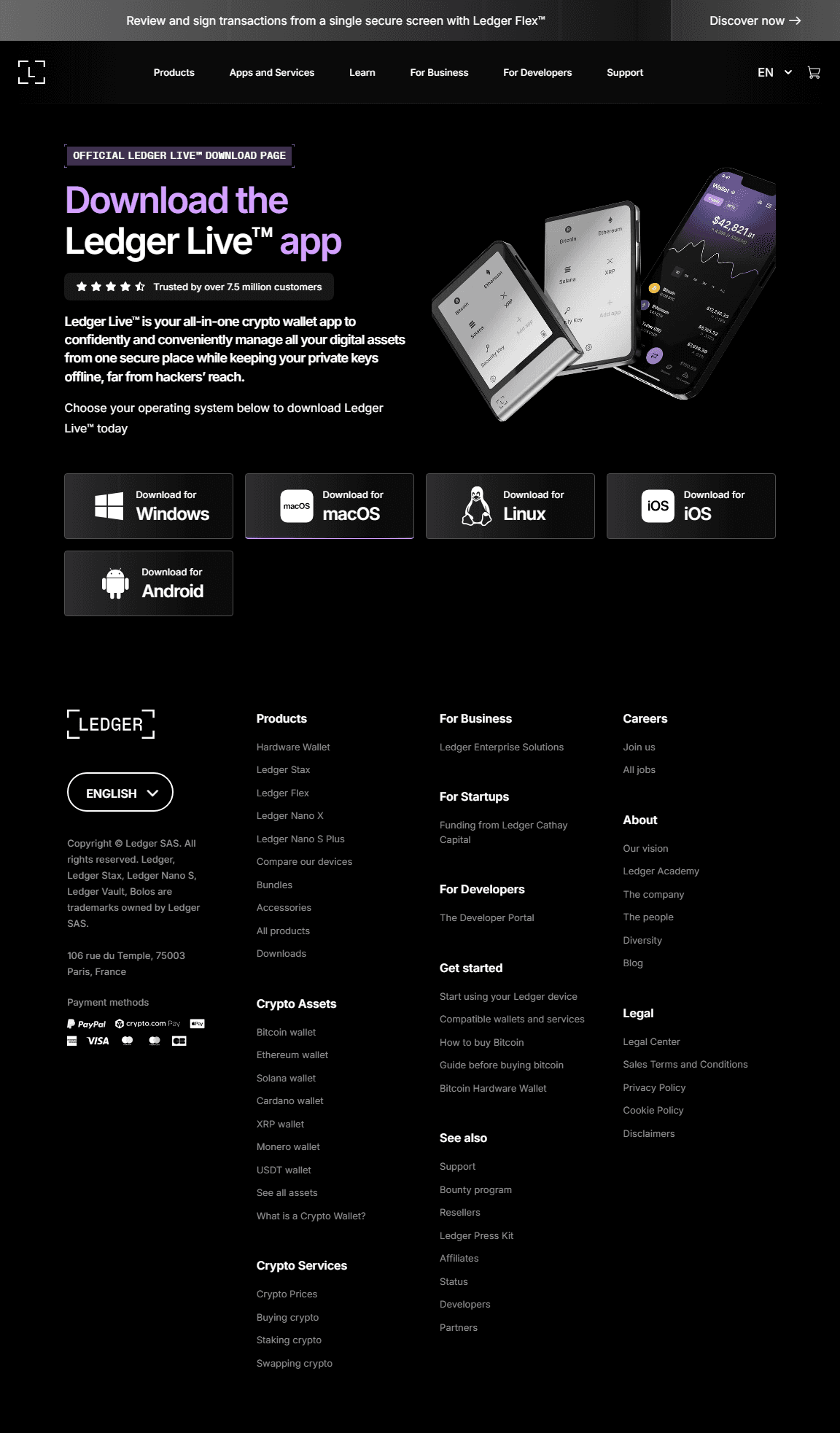
Ledger Live is the application you will use to communicate with your hardware wallet. It serves as your portfolio interface, account manager, transaction dashboard, and firmware updater.
After installation, Ledger Live will guide you through:
Pairing the Ledger device
Authenticating its security
Keeping firmware updated
Adding cryptocurrency accounts
Monitoring balances and transactions
Although Ledger Live lets you view and manage your crypto, it never stores your private keys. The hardware wallet remains the only device capable of signing transactions or approving changes.
Step 3: Powering On and Initializing the Ledger Device
Now it’s time to turn on your Ledger hardware wallet and begin the setup process. This is where you create the foundation for your wallet’s long-term security.
You will be walked through several critical steps:
Creating Your PIN
Your PIN acts as the first layer of access control. Every time you open your Ledger, you’ll enter this PIN directly on the device. Your PIN should be:
Unique
Hard to guess
Not shared with anyone
Memorized if possible
If the wrong PIN is entered too many times, the device automatically resets to protect your crypto.
Generating a Recovery Phrase
Next, your Ledger device will display a list of 24 words. This is your recovery phrase, also known as a seed phrase.
Your recovery phrase:
Is the ultimate backup for your wallet
Allows you to restore your crypto if the device is misplaced or damaged
Must be written down exactly and stored offline
Must remain private at all times
Write the words in the correct order on the recovery sheet provided inside the box. Never type the phrase into your computer, store it digitally, or upload it to cloud services.
Once you confirm the phrase on the device, your Ledger wallet becomes officially initialized.
Step 4: Verifying Your Ledger Device in Ledger Live
After setting up the PIN and recovery phrase, connect your Ledger device to Ledger Live. The software performs a brief verification step that confirms the authenticity of the hardware. This ensures that:
The device is genuine
No unauthorized modifications were made
The firmware is legitimate
This quick check is one of the most important safety features of the setup process. Only after verification should you continue.
Step 5: Installing Blockchain Apps on Your Device
Different cryptocurrencies require different blockchain applications. These apps help your Ledger interact with each specific network.
Inside Ledger Live:
Open the Manager section
Find the apps for the cryptocurrencies you want to use
Install them on your Ledger device
Confirm installation on the device screen
The apps take up minimal storage, but if you run out of space, you can delete unused ones. Removing an app does not affect your funds because your crypto lives on the blockchain, not the device.
Step 6: Adding Cryptocurrency Accounts to Ledger Live
To manage your digital assets, you must add accounts within Ledger Live. Each type of cryptocurrency needs its own account.
To add an account:
Select “Add Account”
Choose the cryptocurrency
Plug in and unlock your Ledger
Open the matching app on the device
Wait for synchronization
Once completed, the account will appear in your dashboard. From here, you can monitor balances, track transactions, and organize your assets.
Step 7: Receiving Cryptocurrency for the First Time
Once everything is set up, you may want to deposit cryptocurrency into your Ledger wallet.
To receive crypto:
Open the correct account in Ledger Live
Select “Receive”
Unlock your Ledger and open the correct app
Compare the receiving address shown in Ledger Live with the one on the device
Only use the address shown on your Ledger device screen
Verifying the receiving address on the hardware wallet prevents malware from altering the address on your computer and stealing your funds.
After confirming the address, share it with the sender or transfer your own crypto from another wallet or exchange.
Step 8: Sending Crypto Safely Using the Ledger Device
Sending digital assets requires approval on both Ledger Live and the Ledger device. This protects you from unauthorized activity.
To send crypto:
Select the account you wish to send from
Enter the recipient’s address and the amount
Review the transaction details in Ledger Live
Check the same details on your Ledger device
Approve the transaction physically on the device
Only transactions approved on the hardware wallet can be sent. This dual-confirmation structure ensures security even if your computer becomes compromised.
Essential Security Guidelines for Ledger Owners
While Ledger devices provide industry-leading protection, your personal habits matter greatly. Follow these essential security practices:
Keep Your Recovery Phrase Offline and Hidden
Your phrase is the only way to recover your wallet. Store it securely, never in digital form.
Never Share Your Phrase With Anyone
No legitimate company, service, or support agent will ever ask for your 24 words.
Always Verify On-Screen Details
The hardware device’s screen is the final source of truth. Always trust the Ledger device over your computer.
Use Only Official Software
Avoid unofficial instructions, third-party tools, or browser extensions claiming to be associated with Ledger.
Stay Updated
Install firmware updates and keep Ledger Live current to benefit from new security enhancements.
Troubleshooting Tips During Setup
Here are some common issues users encounter and their solutions:
Device Not Recognized
Try another USB cable or port and restart Ledger Live.
Incorrect PIN Attempts
The device resets after too many incorrect PIN entries. Use your recovery phrase to restore access.
Not Enough Space for Apps
Remove unused blockchain apps. Your crypto remains untouched.
Firmware Not Updating
Ensure your device battery is charged (if applicable) and follow Ledger Live prompts carefully.
Final Thoughts
The setup steps associated with ledger.com/start give crypto users a structured, secure method to prepare their hardware wallets for long-term use. Once your device is initialized, your recovery phrase is safely stored, and Ledger Live is configured, you gain complete control over your digital assets.
With your Ledger device properly set up, you can store, send, and receive cryptocurrency with far more confidence than any digital-only wallet can provide. You hold your private keys, you approve every transaction, and you maintain your sovereignty over your crypto.